
By TheHurrican Tech Desk | Updated September 15, 2026
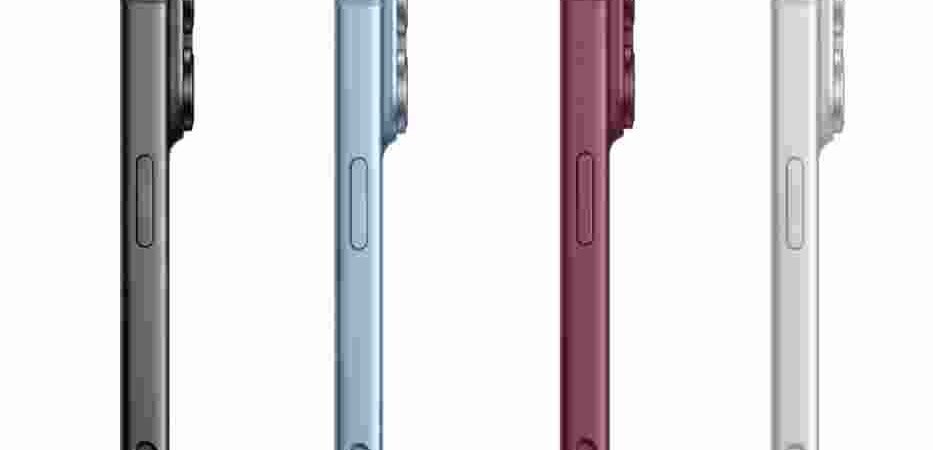
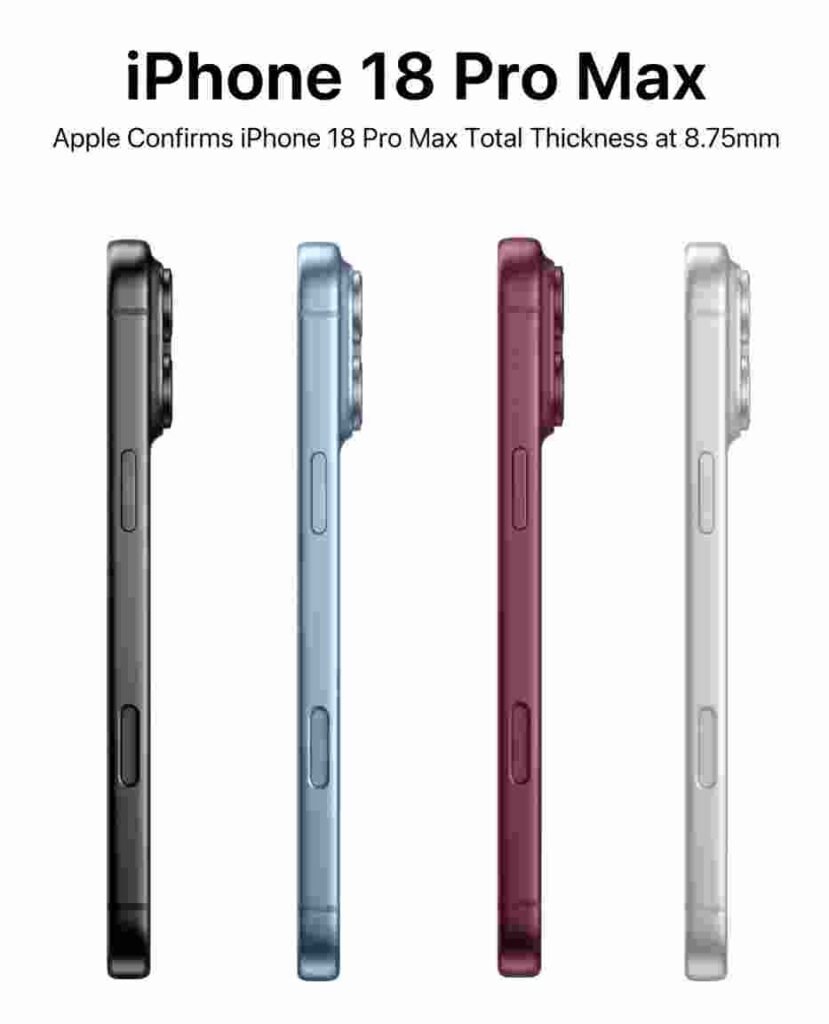
Quick answer, since this is probably why you clicked: 8.75mm. That’s it, that’s the apple iphone 18 pro thickness, same on the Pro and the Pro Max both. Didn’t budge from last year either. What actually changed is something a ruler won’t catch — and that’s really the more interesting part of this story, honestly.
iPhone 18 Pro Dimensions at a Glance
| Model | Height | Width | Thickness | Weight |
|---|---|---|---|---|
| iPhone 18 Pro | 150.0mm | 71.9mm | 8.75mm | 211g |
| iPhone 18 Pro Max | 163.4mm | 78.0mm | 8.75mm | 249g |
| iPhone 17 Pro (for reference) | 150.0mm | 71.9mm | 8.75mm | 206g |
| iPhone 17 Pro Max (for reference) | 163.4mm | 78.0mm | 8.75mm | 233g |
| iPhone Duo, unfolded | 164.6mm | 117.8mm | 5.2mm | 254g |
| iPhone Duo, folded | 84.1mm | 117.8mm | 11.3mm | 254g |
Did the Body Actually Shrink This Year? Not Really
Gonna disappoint some people here, because for months leading up to launch, there was genuine chatter — leaks, analyst notes, the usual pre-launch noise — suggesting Apple had found a way to trim the Pro line down a bit further this cycle. Didn’t happen. Every measurement Apple actually put on paper for the 18 Pro and Pro Max lines up, number for number, with what the 17 Pro shipped last year. Same height. Same width. 8.75mm, both years, no rounding involved.
So if you’re currently holding a 17 Pro and trying to picture how the new one’s going to feel in your pocket — don’t bother picturing anything different. It’s the exact same shell, basically copy-pasted forward a generation.
So What Did Actually Change, Then?
Weight. Just weight, really, and that’s the whole twist here. Standard Pro model went from 206 grams up to 211 — five extra grams, barely worth mentioning on its own. The Pro Max took a bigger hit, though: 233 grams climbing to 249, a 16-gram jump that you will notice the second you pick one up next to last year’s. That number alone is enough to make this year’s Pro Max the heaviest non-foldable iPhone Apple’s ever put out — heavier even than the old 14 Pro Max, which had held that particular record at 240 grams until now.
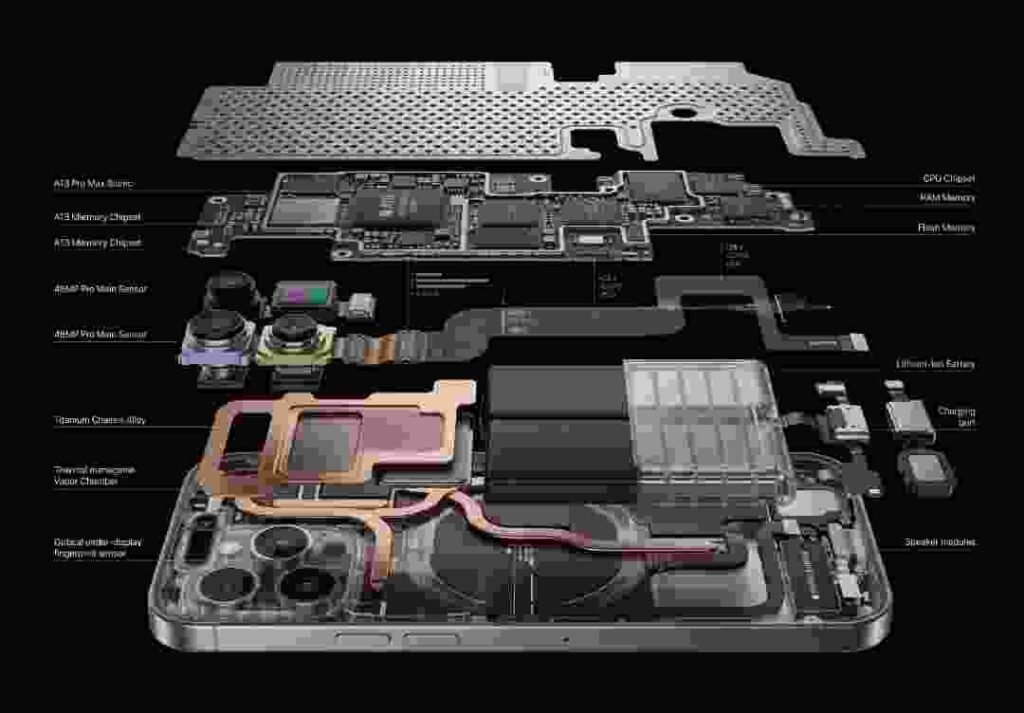
Why would a phone put on weight without getting bigger anywhere? Comes down to what’s stuffed inside the same shell. Apple went and roughly tripled the surface area of the vapor chamber — the internal cooling system — specifically to keep the new A20 Pro chip from choking under heavy use. More material packed into an unchanged case means more grams on the scale, plain and simple. And it’s apparently working: Apple’s claiming close to a 40% bump in sustained performance thanks to that beefier cooling setup.
Does a Few Extra Grams Actually Matter in Real Life?
Honestly, depends who’s holding it. On a spec sheet, 5 to 16 grams reads as nothing — genuinely, that’s a couple of coins’ worth of difference. But you’re not holding a spec sheet for hours a day, you’re holding a phone, and small weight bumps like this have a funny way of registering more once you’re actually living with the thing rather than just reading about it online. Coming from something older, say a 16 Pro or further back, you’ll probably feel it right away. Coming straight from a 17 Pro? Honestly, you might not notice at all.
And hey, if thinness specifically is what you’re chasing, worth knowing Apple’s still got you covered elsewhere in the lineup — the iPhone Duo measures a genuinely wild 5.2mm when unfolded, thinnest thing Apple’s ever shipped. Fold it shut, though, and that flips completely — it balloons out to 11.3mm closed and ends up the heaviest iPhone in the entire current lineup, foldable included, at 254 grams. Funny how that works out.
Comparing It to What Samsung’s Doing
Worth throwing in for anyone weighing both platforms before buying. The Galaxy S26 Ultra sits around 214 grams and roughly 7.9mm thick — meaning, yeah, Samsung’s current flagship is actually a touch thinner than either new Apple Pro model, while landing somewhere between the standard 18 Pro and the Pro Max on weight. If shaving off every last fraction of a millimeter matters to you specifically, Samsung’s got the edge this round, even if it’s not a gap you’d notice without setting both phones side by side on a table.
Is There Actually a Point to the Extra Weight?
There is, actually, and it’s not just dead mass sitting in there for no reason. That larger vapor chamber is doing real work — keeping the A20 Pro cool enough to hold onto higher performance during the stuff that used to make older iPhones throttle and slow down, gaming sessions, long video exports, that kind of thing. Battery capacity benefits too, somewhat separately from the cooling story — Apple’s rating the Pro Max for up to 45 hours of video playback against 36 on the smaller Pro, a gap that tracks pretty closely with the bigger body just having more room for cells.
So no, it’s not bloat for bloat’s sake. There’s a genuine trade happening — heavier phone, in exchange for one that can actually sustain demanding tasks without quietly slowing itself down behind the scenes. Whether that trade’s worth it to you is really a personal-use-case kind of question.
Why Were the “Thinner iPhone” Rumors So Wrong?
Worth poking at this for a second, because those leaks weren’t some fringe theory — several fairly plausible supply-chain sources and analysts were floating the idea that Apple planned to slim the Pro body down, possibly to counterbalance a bulkier camera module this generation. Just didn’t pan out. Maybe those leaks were built off early prototype hardware that never made it to actual production. Maybe they were wrong from day one. Hard to say definitively at this point, and honestly it doesn’t matter much now that the retail specs are public and settled.
Take it as a general lesson, though: dimension leaks tend to be shakier ground than leaks about colors or features, mostly because case makers and internal teams are often working off measurements taken months before a phone’s design is actually locked.
Will Your Old Case Still Fit?
Genuinely good news on this front, given thickness didn’t move an inch. If you’ve already got a case built for a 17 Pro or 17 Pro Max, the outer shape hasn’t shifted at all, so fit should transfer over cleanly in most cases — assuming button placement, camera cutout, and port alignment are unchanged, which, per Apple’s own numbers, they are. Still worth double-checking with whoever made your specific case, since some accessory makers tweak things slightly year to year even when Apple technically doesn’t. But dimensionally speaking, there’s no reason last year’s case shouldn’t just work.
Choosing Between the Pro and the Pro Max
If size is the only thing holding you back from picking one over the other, here’s some relief: thickness isn’t part of that equation at all, it’s identical either way. What actually separates the two comes down to height, width, and that 38-gram gap, which traces almost entirely back to screen size and battery capacity rather than anything structural underneath. The Pro Max is a genuinely bigger phone to hold and carry — not a thicker one. Handled a 17 Pro or 17 Pro Max before? You already know exactly how either new model sits in your hand, because nothing there moved this year.
If color’s still part of the decision too, both sizes come in the same four options — Black, Silver, Glacier, and the new Burgundy — so that’s one less thing pulling you toward either size specifically.
Does Any of This Affect the Software Side?
Nope, not directly. Whatever’s happening on screen — iOS 27 and the new Siri AI experience — runs identically no matter which Pro model you’re holding. The dimensions only really matter for how the phone physically sits in your hand or pocket, not for anything happening under the glass. And to be clear, both sizes run the identical A20 Pro chip with the same cooling upgrades, so performance-wise, size isn’t buying you anything either.
Bottom Line
Nothing new to report on apple iphone 18 pro thickness — 8.75mm across both models, exactly matching last year down to the decimal. Weight’s the real headline, and it’s a direct result of a much bigger cooling system built to squeeze more sustained performance out of the new chip. If you’re deciding whether to pre-order ahead of the September 18 release, dimensions really shouldn’t be the deciding factor either way — but if you’re someone who genuinely notices how a phone feels after a few hours in your pocket, know you’re picking up something a bit heavier than last year, even if it looks and measures exactly the same on paper.
Frequently Asked Questions
How thick is the iPhone 18 Pro?
8.75mm — identical to the iPhone 18 Pro Max and to last year’s iPhone 17 Pro and Pro Max.
Did the apple iphone 18 pro thickness than the iPhone 17 Pro?
No. Dimensions are unchanged between generations. Only weight shifted.
Why does the apple iphone 18 pro thickness is more?
Apple significantly enlarged the internal vapor chamber to support the A20 Pro chip’s higher sustained performance, which added weight without touching the phone’s external size.
Is the iPhone 18 Pro Max the heaviest iPhone Apple’s made?
It’s the heaviest non-folding iPhone, at 249 grams. The foldable iPhone Duo is heavier overall, at 254 grams.
Is the iPhone 18 Pro thicker than the Galaxy S26 Ultra?
Yes, slightly — 8.75mm versus roughly 7.9mm on Samsung’s current flagship.
This article reflects Apple’s officially published specifications as of September 15, 2026.