
By TheHurrican Tech Desk | Updated September 17, 2026
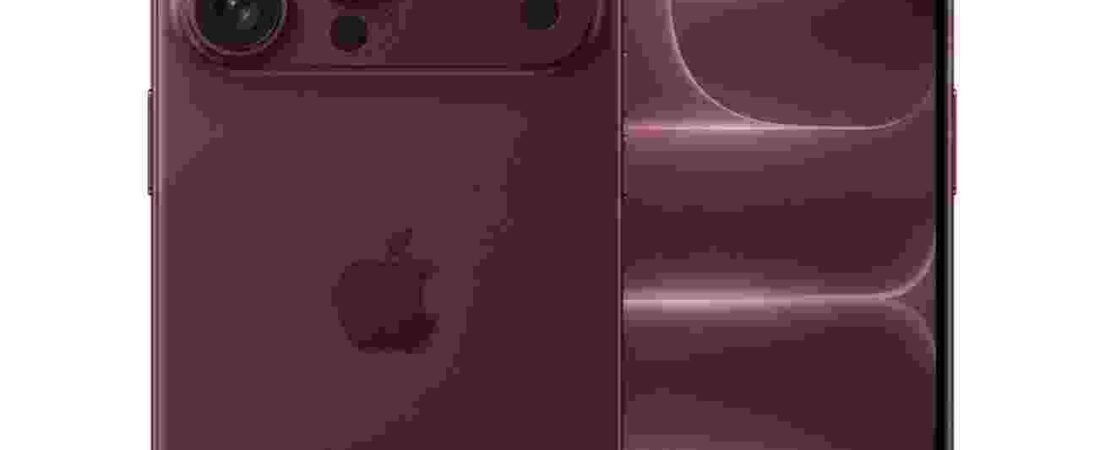
Quick answer, before the deep dive: the iPhone 18 Pro and Pro Max stick with an aluminum unibody frame — not titanium, despite a solid year of rumors insisting otherwise. Titanium’s still around, just not here; it’s reserved for the iPhone Air and the new iPhone Duo instead. Beyond that, this is very much an evolution year, not a reinvention one. Here’s what’s actually different, and what carried over untouched.
iPhone 18 Design at a Glance
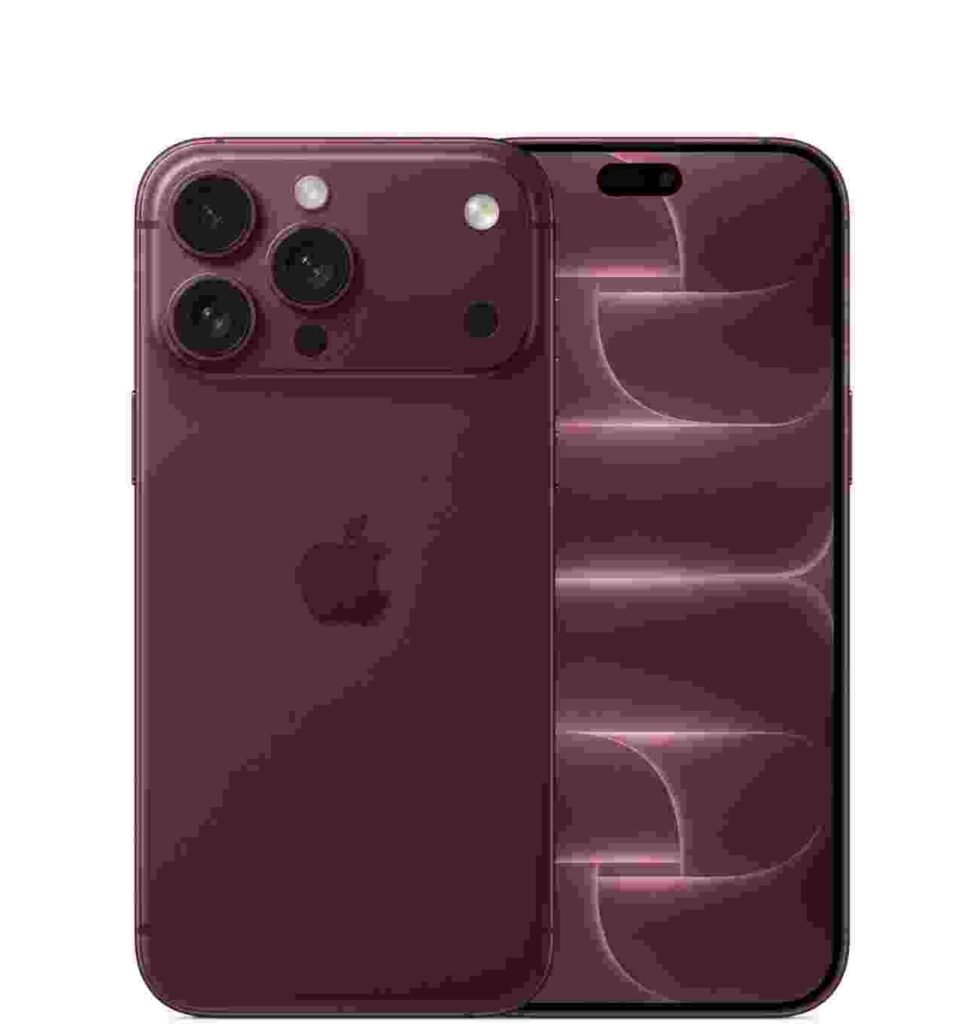
| Element | iPhone 18 Pro / Pro Max | iPhone Duo (for comparison) |
|---|---|---|
| Frame Material | Aluminum unibody | Titanium |
| Front Glass | Ceramic Shield 2 | Ceramic Shield 2 |
| Back Glass | Ceramic Shield | N/A (titanium body) |
| Camera Layout | Full-width horizontal panel | No telephoto lens |
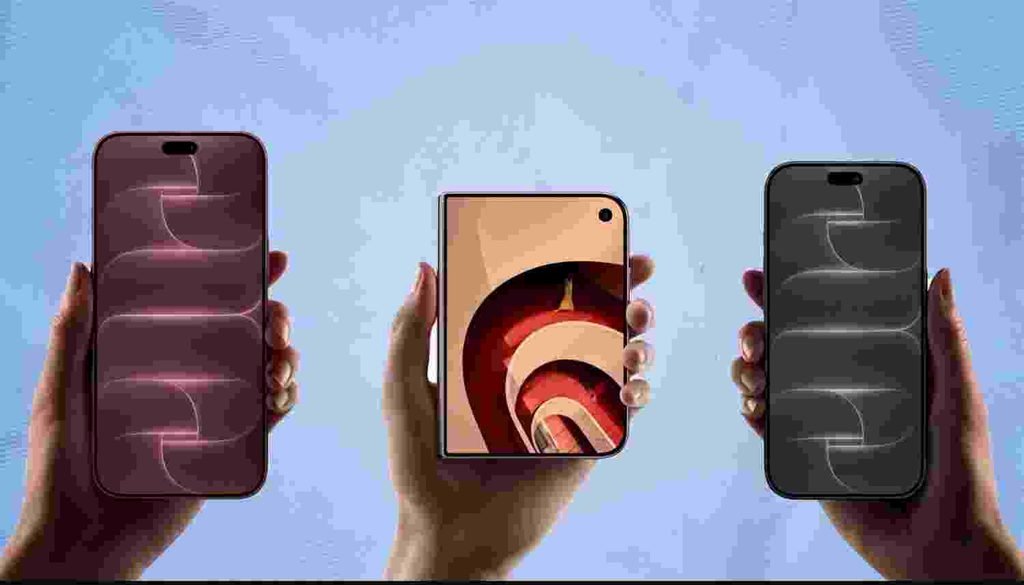
| Colors | Black, Silver, Glacier, Burgundy | Star White, Night Sky |
| Recycled Content | ~40% | ~35% |
| Thickness | 8.75mm | 5.2mm unfolded / 11.3mm folded |
Why Apple Chose Aluminum Over Titanium for iPhone 18 Pro
Fair question, because the rumor genuinely refused to die for the better part of a year. Titanium had a short, celebrated run on the Pro line — it showed up on the 15 Pro, stuck around for the 16 Pro, and got marketed pretty hard both times as the premium differentiator separating the Pro models from everything else Apple sells. Then the 17 Pro quietly dropped it in favor of aluminum, and that switch apparently didn’t sit well enough with everyone for the rumor mill to just let it go.
So going into this year, plenty of leakers were betting on a comeback. Some pointed to leaked dummy units. Others cited supply-chain sourcing that supposedly hinted at a return. None of it held up. Apple’s official spec page is about as blunt as it gets: aluminum unibody, full stop, for both the 18 Pro and Pro Max. The only place titanium actually shows up this generation is on the iPhone Air and the brand-new Duo — which, notably, means Apple’s cheapest current iPhone lineup and its most expensive foldable are sharing a frame material this year, while the traditional “top of the line” Pro sits on the material Apple considers a step down. Genuinely unusual positioning, and Apple hasn’t offered much explanation for why.
Why Would Apple Stick With Aluminum, Then?
A few practical reasons keep surfacing across the reporting, and they’re not unreasonable ones. Aluminum’s simply easier and cheaper to machine at scale, and it dissipates heat more efficiently than titanium does — a genuinely relevant factor this year specifically, given how much Apple’s leaning on that enlarged vapor chamber to keep the new A20 Pro chip running cool under sustained load. There were also earlier whispers tying titanium to overheating complaints on the 15 Pro, which, if accurate even partially, gives Apple another reason to steer away from it on a chip generation built around thermal performance as a selling point.
Worth noting, too: switching away from titanium didn’t actually make the Pro line any lighter. If anything, this year’s models weigh more than last year’s — a fact covered in more detail in our breakdown of the iPhone 18 Pro’s exact thickness and weight numbers, which gets into precisely why that happened.
iPhone 18 Pro Rear Camera Layout: Changes & Case Compatibility
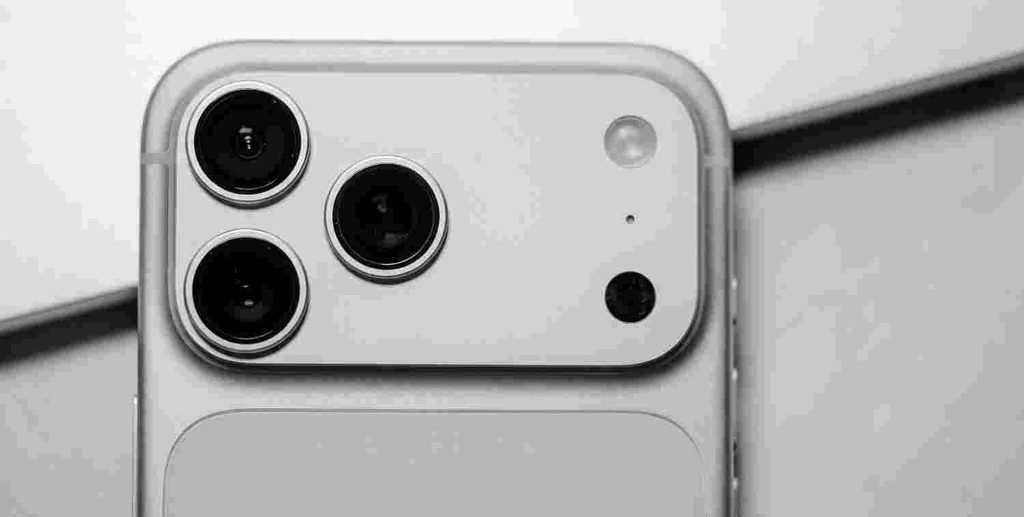
If you were hoping for a dramatically reshaped rear camera this year, that’s not really what shipped. The full-width horizontal camera panel Apple introduced on the 17 Pro — the one that replaced the old vertical, triangular lens cluster iPhones had used for years — sticks around basically unchanged on the 18 Pro line. Pre-launch leaks had floated the idea of a reshaped module moving further away from that layout, but the final retail design kept the same general approach rather than starting over.
That’s actually good news if you’re picky about accessories: cases and screen protectors built for the 17 Pro should, in most cases, line up cleanly with the 18 Pro’s camera cutout too, since the module’s dimensions didn’t shift dramatically between generations.
Colors and Finish: A Bit More Cohesive This Year
One genuinely real change, even if it’s subtle: the way the glass back and aluminum frame relate to each other visually. Last year’s 17 Pro had a noticeably distinct contrast between the colored glass panel and the aluminum surround — two different materials that looked, deliberately, like two different materials. This year’s models lean toward more visual uniformity between those two surfaces. They’re still distinguishable up close, since they’re physically different materials and always will be, but the color matching between them is tighter than it was, giving the whole back a more seamless look at a glance.
That shift lines up with the four confirmed finishes this generation — Black, Silver, Glacier, and the new Burgundy — with Burgundy in particular benefiting from the more unified glass-to-metal color match, since a color that dramatic tends to look more intentional when the whole back reads as one cohesive tone rather than two competing ones.
Ceramic Shield 2: The Actual Durability Upgrade
Here’s a change that’s real and measurable, rather than just a visual refinement. Both the front and back glass on the 18 Pro use Ceramic Shield 2, and Apple’s own environmental documentation puts its scratch resistance at roughly three times better than the previous generation’s Ceramic Shield. That’s not a small claim — if it holds up under actual daily use, it’s arguably a bigger practical upgrade for most owners than anything happening with the frame material debate.
What About the Buttons? Did Solid-State Controls Happen?
No, and this is one of the rumors worth specifically debunking, since it got a fair amount of pre-launch attention. There was chatter for a while about Apple moving to pressure-sensitive, solid-state buttons in place of the mechanical power and volume buttons — something that would’ve been a genuinely significant departure from how every iPhone has worked for years. That didn’t make it into the final design. Mechanical buttons are still here, still working the way they always have.
Sustainability Numbers Worth Mentioning
Small footnote, but worth including since Apple’s leaning into it in its own materials. The 18 Pro line carries roughly 40% recycled content overall, according to Apple’s environmental reporting — a slightly higher figure than the Duo’s 35%, interestingly, even though the Duo’s the one getting the more elaborate sustainability messaging around its titanium hinge and recycled cobalt battery. Not something most buyers are weighing heavily in a purchase decision, but it’s part of the fuller design picture Apple’s putting out there this generation, and worth knowing if it factors into your own priorities at all.
Does the Design Change Affect the iPhone 18 Pro vs. Pro Max Choice?
Not meaningfully. Whichever size you pick, you’re getting the identical design language — same aluminum unibody, same camera panel treatment, same Ceramic Shield 2 glass, same four color options. The only physical differences between the two sizes come down to overall dimensions and weight, not design philosophy. If you’ve read our full comparison of the two sizes’ exact measurements, you already know the gap there is about screen real estate and battery capacity, not anything structural.
How Does This Compare to Samsung’s Design Approach?
Worth a quick look sideways, especially if you’re weighing ecosystems before committing. The Galaxy S26 Ultra takes a different material approach entirely — Samsung’s leaning on its own metal-and-glass construction rather than mirroring Apple’s aluminum-versus-titanium debate. Where Apple’s spent this generation quietly disappointing titanium fans, Samsung’s design conversation this year has centered more on screen technology and camera hardware than frame material specifically. Different priorities, different stories, and honestly, neither company’s design choices this cycle are dramatically reinventing what a flagship phone looks like.
Does Any of This Change How the Phone Actually Runs?
No — design and internals are separate conversations here. Whatever frame material or camera layout you’re holding, the actual day-to-day experience running iOS 27 and the new Siri AI features is identical across the lineup. The aluminum-versus-titanium debate is purely about how the phone looks and feels in your hand, not about what it’s capable of doing.
So, Is the iPhone 18 Pro’s Design Worth Getting Excited About?
Depends what you were hoping for, honestly. If you wanted a titanium comeback, that’s a clear no — and probably worth sitting with the disappointment rather than expecting it to change next year, since Apple’s given no indication this is temporary. If you were hoping for a wildly reshaped camera module or futuristic solid-state buttons, also a no — Apple played it conservative there too. What you are getting: a more visually cohesive back panel, a genuinely tougher display thanks to Ceramic Shield 2, and a design language that’s clearly in refinement mode rather than reinvention mode this generation. Whether that’s a satisfying answer probably depends on how much you were emotionally invested in the titanium question specifically.
If you’re still deciding whether to pre-order ahead of the September 18 release, design alone probably isn’t a strong enough reason to skip this generation — but it’s also not a strong enough reason to rush out and buy one if you already own a 17 Pro, since the two phones look and feel remarkably similar side by side.
Frequently Asked Questions
Is the iPhone 18 Pro design made of titanium? No. Apple’s official specifications list an aluminum unibody design for both the iPhone 18 Pro and Pro Max. Titanium is used on the iPhone Air and iPhone Duo instead.
Did the iPhone 18 Pro’s camera design change? Not significantly. It keeps the same full-width horizontal camera panel introduced on the iPhone 17 Pro, rather than adopting a reshaped module some pre-launch leaks predicted.
Does the iPhone 18 Pro have solid-state buttons? No. It retains traditional mechanical power and volume buttons, despite earlier rumors suggesting a switch to pressure-sensitive controls.
What is Ceramic Shield 2? Apple’s updated front and back glass technology on the iPhone 18 Pro, rated at roughly three times more scratch-resistant than the previous generation’s Ceramic Shield.
Will iPhone 17 Pro cases fit the iPhone 18 Pro? In most cases, yes. The camera module and overall dimensions are largely unchanged, so accessories built for the 17 Pro generally carry over.
This article reflects Apple’s officially confirmed design specifications as of September 17, 2026.